Showing posts with label Tips and Trick. Show all posts

Monday, August 10, 2015

Types of Relaxation Techniques

Health professionals such as complementary and alternative medicine practitioners, doctors, and psychotherapists can teach various relaxation techniques. But if you prefer, you can also learn some relaxation techniques on your own.
In general, relaxation techniques involve refocusing your attention on something calming and increasing awareness of your body. It doesn't matter which relaxation technique you choose. What matters is that you try to practice relaxation regularly to reap its benefits.
There are several main types of relaxation techniques, including:
  • Autogenic relaxation. Autogenic means something that comes from within you. In this relaxation technique, you use both visual imagery and body awareness to reduce stress.
    You repeat words or suggestions in your mind to relax and reduce muscle tension. For example, you may imagine a peaceful setting and then focus on controlled, relaxing breathing, slowing your heart rate, or feeling different physical sensations, such as relaxing each arm or leg one by one.
  • Progressive muscle relaxation. In this relaxation technique, you focus on slowly tensing and then relaxing each muscle group.
    This helps you focus on the difference between muscle tension and relaxation. You become more aware of physical sensations.
    One method of progressive muscle relaxation is to start by tensing and relaxing the muscles in your toes and progressively working your way up to your neck and head. You can also start with your head and neck and work down to your toes. Tense your muscles for at least five seconds and then relax for 30 seconds, and repeat.
  • Visualization. In this relaxation technique, you form mental images to take a visual journey to a peaceful, calming place or situation.
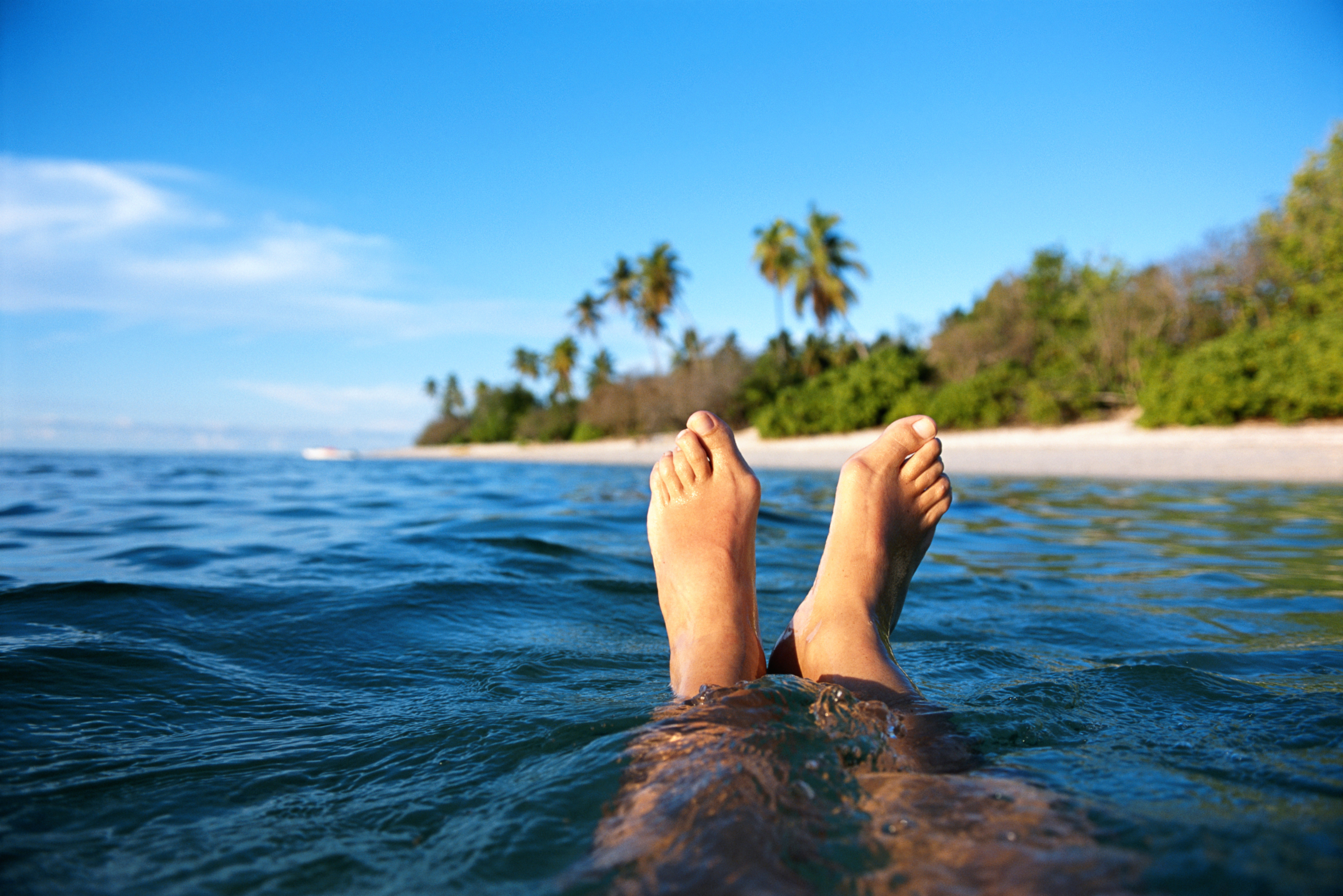
    During visualization, try to use as many senses as you can, including smell, sight, sound and touch. If you imagine relaxing at the ocean, for instance, think about the smell of salt water, the sound of crashing waves and the warmth of the sun on your body. You may want to close your eyes, sit in a quiet spot and loosen any tight clothing.
Other relaxation techniques include:


  • Deep breathing
  • Hypnosis
  • Massage
  • Meditation
  • Tai chi
  • Yoga
  • Biofeedback
  • Music and art therapy

The Benefits of Relaxations Techniques

Relaxation techniques are a great way to help with stress management. Relaxation isn't just about peace of mind or enjoying a hobby. Relaxation is a process that decreases the effects of stress on your mind and body. Relaxation techniques can help you cope with everyday stress and with stress related to various health problems, such as cancer and pain.
Whether your stress is spiraling out of control or you've already got it tamed, you can benefit from learning relaxation techniques. Learning basic relaxation techniques is easy. Relaxation techniques also are often free or low cost, pose little risk, and can be done just about anywhere.
Explore these simple relaxation techniques and get started on de-stressing your life and improving your health.
those are benefits of relaxations techniques
When faced with numerous responsibilities and tasks or the demands of an illness, relaxation techniques may take a back seat in your life. But that means you might miss out on the health benefits of relaxation.
Practicing relaxation techniques can reduce stress symptoms by:
  • Slowing your heart rate
  • Lowering blood pressure
  • Slowing your breathing rate
  • Reducing activity of stress hormones
  • Increasing blood flow to major muscles
  • Reducing muscle tension and chronic pain
  • Improving concentration and mood
  • Lowering fatigue
  • Reducing anger and frustration
  • Boosting confidence to handle problems
To get the most benefit, use relaxation techniques along with other positive coping methods, such as thinking positively, finding humor, problem-solving, managing time, exercising, getting enough sleep, and reaching out to supportive family and friends.